



AC COB (Alternating Current Chip on Board) LEDs have become increasingly popular in the lighting industry due to their high efficiency, long lifespan, and excellent light quality. As a leading AC COB LED supplier, I understand the importance of proper maintenance to ensure the optimal performance and longevity of these advanced lighting solutions. In this blog post, I will share some essential maintenance methods for AC COB LEDs that can help you get the most out of your lighting investment.
1. Regular Cleaning
One of the simplest yet most effective ways to maintain AC COB LEDs is to keep them clean. Dust, dirt, and debris can accumulate on the surface of the LEDs over time, reducing their light output and efficiency. To clean AC COB LEDs, start by turning off the power supply to the lighting fixture. Use a soft, dry cloth or a gentle brush to remove any loose dust or dirt from the surface of the LEDs. Avoid using abrasive materials or harsh chemicals, as these can damage the delicate components of the LEDs.
For more stubborn stains or dirt, you can use a mild cleaning solution. Mix a small amount of dish soap with water and dampen a soft cloth with the solution. Gently wipe the surface of the LEDs, being careful not to get any liquid into the electrical connections. After cleaning, use a dry cloth to remove any remaining moisture.
2. Temperature and Humidity Control
AC COB LEDs are sensitive to temperature and humidity. High temperatures can cause the LEDs to overheat, which can reduce their lifespan and performance. Similarly, high humidity can lead to corrosion and damage to the electrical components of the LEDs.
To maintain optimal temperature and humidity levels, it is important to install AC COB LEDs in a well-ventilated area. Avoid placing the lighting fixtures in direct sunlight or near sources of heat, such as radiators or ovens. If possible, use a fan or ventilation system to circulate air around the LEDs and keep them cool.
In areas with high humidity, it may be necessary to use a dehumidifier to reduce the moisture content in the air. This can help prevent corrosion and damage to the LEDs. Additionally, make sure to seal any gaps or openings in the lighting fixtures to prevent moisture from entering.
3. Electrical Connection Inspection
Regularly inspecting the electrical connections of AC COB LEDs is crucial for their safe and reliable operation. Loose or damaged electrical connections can cause flickering, dimming, or even complete failure of the LEDs.
To inspect the electrical connections, start by turning off the power supply to the lighting fixture. Carefully examine the wires, connectors, and terminals for any signs of damage, such as fraying, corrosion, or loose connections. If you notice any issues, replace the damaged components immediately.
It is also important to ensure that the electrical connections are properly tightened. Use a screwdriver or pliers to tighten any loose screws or connectors. However, be careful not to overtighten the connections, as this can damage the components.
4. Avoid Overloading
Overloading the AC COB LEDs can significantly reduce their lifespan and performance. Each LED has a specific power rating, and exceeding this rating can cause the LEDs to overheat and fail prematurely.
When installing AC COB LEDs, make sure to use a power supply that is compatible with the LEDs' power rating. Avoid connecting too many LEDs to a single power supply, as this can cause overloading. If you need to use multiple LEDs, consider using a power distribution system to ensure that each LED receives the appropriate amount of power.
5. Regular Performance Monitoring
Regularly monitoring the performance of AC COB LEDs can help you detect any issues early and take appropriate action. You can use a light meter to measure the light output of the LEDs and compare it to the manufacturer's specifications. A significant decrease in light output may indicate a problem with the LEDs or the electrical system.
In addition to measuring the light output, you can also monitor the color temperature and color rendering index (CRI) of the LEDs. Changes in these parameters can affect the quality of the light and may indicate a problem with the LEDs.

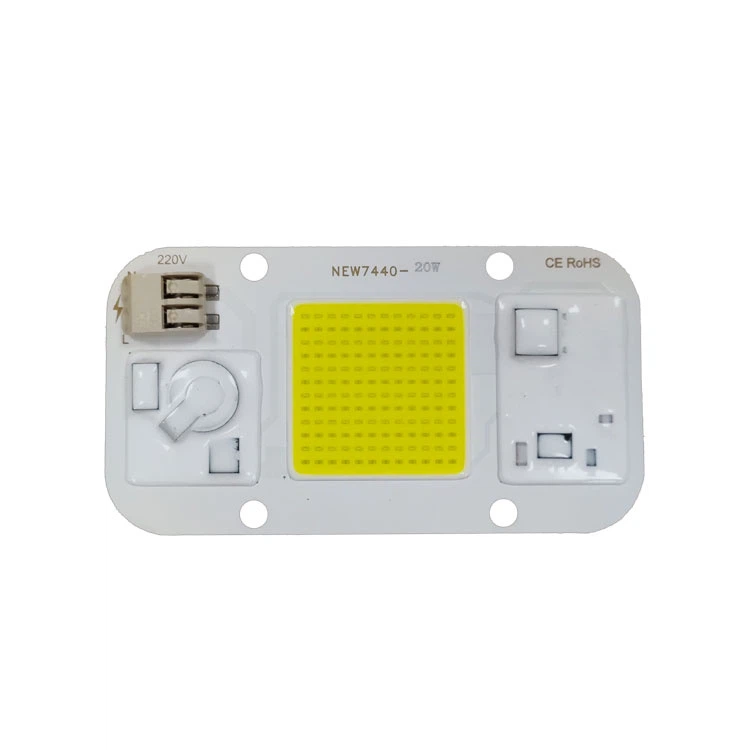
If you notice any significant changes in the performance of the AC COB LEDs, such as flickering, dimming, or color changes, it is important to investigate the issue promptly. Contact a professional electrician or the LED manufacturer for assistance.
6. Proper Storage
If you need to store AC COB LEDs for an extended period, it is important to do so properly to prevent damage. Store the LEDs in a cool, dry place away from direct sunlight and sources of heat. Make sure to keep the LEDs in their original packaging or a protective container to prevent them from being damaged during storage.
Before storing the LEDs, make sure to clean them and remove any dust or dirt. You can also apply a thin layer of protective coating to the surface of the LEDs to prevent corrosion.
7. Use High-Quality Components
Using high-quality components is essential for the long-term performance and reliability of AC COB LEDs. When purchasing AC COB LEDs, make sure to choose a reputable supplier that offers high-quality products. Look for LEDs that are certified by recognized standards organizations, such as UL, CE, or RoHS.
In addition to the LEDs themselves, it is also important to use high-quality power supplies, drivers, and other components. These components play a crucial role in the performance and lifespan of the LEDs. Using low-quality components can increase the risk of failure and reduce the overall performance of the lighting system.
Conclusion
Proper maintenance is essential for ensuring the optimal performance and longevity of AC COB LEDs. By following these maintenance methods, you can keep your AC COB LEDs in good condition and enjoy their benefits for many years to come.
As a leading AC COB LED supplier, we offer a wide range of high-quality AC COB LEDs, including LED 20W 220V, 220V 30W LED, and Chip LED 220V 100W. Our products are designed to provide excellent performance, energy efficiency, and reliability.
If you have any questions about AC COB LED maintenance or if you are interested in purchasing our products, please feel free to contact us. We are always happy to help you find the right lighting solutions for your needs.
References
- Lighting Research Center, Rensselaer Polytechnic Institute. "LED Lighting Basics."
- Illuminating Engineering Society. "IES Lighting Handbook."
- LED Manufacturers Association. "LED Product Standards and Guidelines."