



In the vibrant world of drones, incorporating lighting systems has become an increasingly popular trend, adding both aesthetic appeal and practical functionality. As a trusted drone LED supplier, we've been at the forefront of this evolution, witnessing firsthand the diverse applications and customer feedback. However, one question that often arises in our discussions with hobbyists, professionals, and enthusiasts alike is how drone LED lights affect the stability of the drone. In this blog post, we'll delve into the science behind it, exploring the possible impacts, factors to consider, and how our Drone LED Board, Drone DE LED, and Drone Strobe LED are engineered to minimize any adverse effects.
Understanding Drone Stability
Before we examine the influence of LED lights on drone stability, it's crucial to understand what drone stability entails. A stable drone is one that can maintain a consistent altitude, orientation, and flight path, regardless of external factors such as wind, minor pilot errors, or sudden changes in payload. This stability is achieved through a combination of hardware and software features, including gyroscopes, accelerometers, and advanced flight control algorithms.
When a drone is in flight, its stability is primarily affected by three key factors: weight, balance, and aerodynamics. Any alterations to these factors can potentially disrupt the equilibrium of the drone and lead to instability.
Impact of Drone LED Lights on Weight
One of the most obvious ways that LED lights can affect drone stability is through an increase in weight. Every additional component added to a drone contributes to its overall mass, and even a small increase in weight can have a significant impact on performance. Heavier drones require more power to lift off and maintain altitude, which can drain the battery more quickly and reduce flight time.
Our LED lights are designed with weight optimization in mind. We use lightweight materials and advanced manufacturing techniques to ensure that our Drone LED Board, Drone DE LED, and Drone Strobe LED add minimal extra weight to your drone. By keeping the weight increment to a minimum, we help preserve the drone's original flight characteristics and ensure that it can operate efficiently.
Influence on Balance
Balance is another critical aspect of drone stability. A well-balanced drone distributes its weight evenly across all axes, allowing for smooth and controlled flight. When LED lights are installed on a drone, they can potentially alter the balance if not properly positioned.
For example, if a heavy LED light is mounted on one side of the drone without proper counterbalancing, it can cause the drone to tilt or veer in that direction. This imbalance can make it difficult for the drone to maintain a straight and level flight path, leading to instability and potentially dangerous situations.
Our team of experts understands the importance of balance in drone design. When you choose our LED lighting solutions, we provide detailed installation guides that specify the optimal placement of the lights to ensure that they do not disrupt the balance of your drone. Additionally, our lights are designed to be as symmetrical as possible, further minimizing the risk of imbalance.
Aerodynamic Considerations
Aerodynamics plays a vital role in drone stability. The shape and design of a drone affect how it moves through the air, and any protrusions or irregularities can create drag and turbulence, which in turn can impact the drone's stability.
LED lights, especially those with large or bulky housings, can potentially disrupt the aerodynamic profile of the drone. This disruption can cause the drone to experience increased drag, which requires more power to overcome and can result in reduced speed and maneuverability.
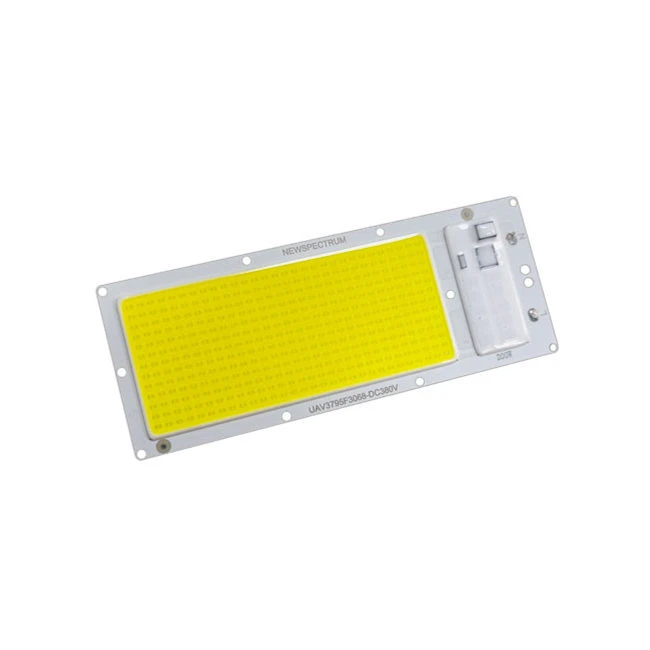

To address this issue, our Drone LED Board, Drone DE LED, and Drone Strobe LED are designed with aerodynamics in mind. Our lights feature sleek and streamlined designs that blend seamlessly with the drone's body, minimizing drag and ensuring that the drone can maintain optimal flight performance.
Electrical Interference
In addition to the physical factors, electrical interference is another potential concern when it comes to the impact of LED lights on drone stability. LED lights, like all electrical components, generate electromagnetic fields that can interfere with the sensitive electronic systems on the drone, such as the flight controller, GPS, and communication modules.
This interference can manifest in various ways, including erratic flight behavior, loss of GPS signal, or even complete system failure. To mitigate the risk of electrical interference, our LED lights are engineered with advanced shielding and filtering technologies. We conduct rigorous testing to ensure that our lights comply with strict electromagnetic compatibility (EMC) standards, minimizing the impact on the drone's electronic systems.
Factors to Consider
When considering the installation of LED lights on your drone, there are several factors you should take into account to minimize the impact on stability:
- Quality of the LED Lights: Opt for high-quality LED lights from a reputable supplier, such as ours. Inferior quality lights may not be properly engineered, leading to issues with weight, balance, aerodynamics, and electrical interference.
- Installation Method: Follow the manufacturer's installation instructions carefully. Improper installation can lead to imbalances and other issues that can affect the stability of the drone.
- Drone Type and Size: Different drones have different capabilities and limitations. Consider the size, weight, and design of your drone when choosing LED lights to ensure that they are compatible and will not overload the system.
- Flight Conditions: Be aware of the flight conditions, such as wind speed and direction, when flying a drone with LED lights. Strong winds can exacerbate any stability issues caused by the lights.
Our Commitment to Quality and Stability
As a leading drone LED supplier, we are committed to providing our customers with high-quality lighting solutions that enhance the performance and functionality of their drones without compromising stability. Our Drone LED Board, Drone DE LED, and Drone Strobe LED are rigorously tested to ensure that they meet the highest standards of quality and reliability.
We work closely with our customers to understand their specific needs and requirements, and we offer personalized support and advice to help them choose the right lighting solutions for their drones. Whether you're a hobbyist looking to add a touch of flair to your drone or a professional in need of reliable lighting for aerial inspections, we have the expertise and products to meet your needs.
Contact Us for Your Drone LED Needs
If you're interested in learning more about our drone LED lighting solutions or have any questions about how they can impact the stability of your drone, we'd love to hear from you. Our team of experts is available to provide you with detailed information, answer your questions, and assist you with your purchase. Contact us today to discuss your requirements and explore the possibilities of enhancing your drone with our high-quality LED lights.
References
- [1] Anderson, D. F., & Eberhardt, S. E. (2016). Fundamentals of Aerodynamics. McGraw-Hill Education.
- [2] Beard, R. W., & McLain, T. W. (2012). Small Unmanned Aircraft: Theory and Practice. Princeton University Press.
- [3] Pratt, D. T. (2013). Electromagnetic Compatibility Engineering. Wiley-IEEE Press.